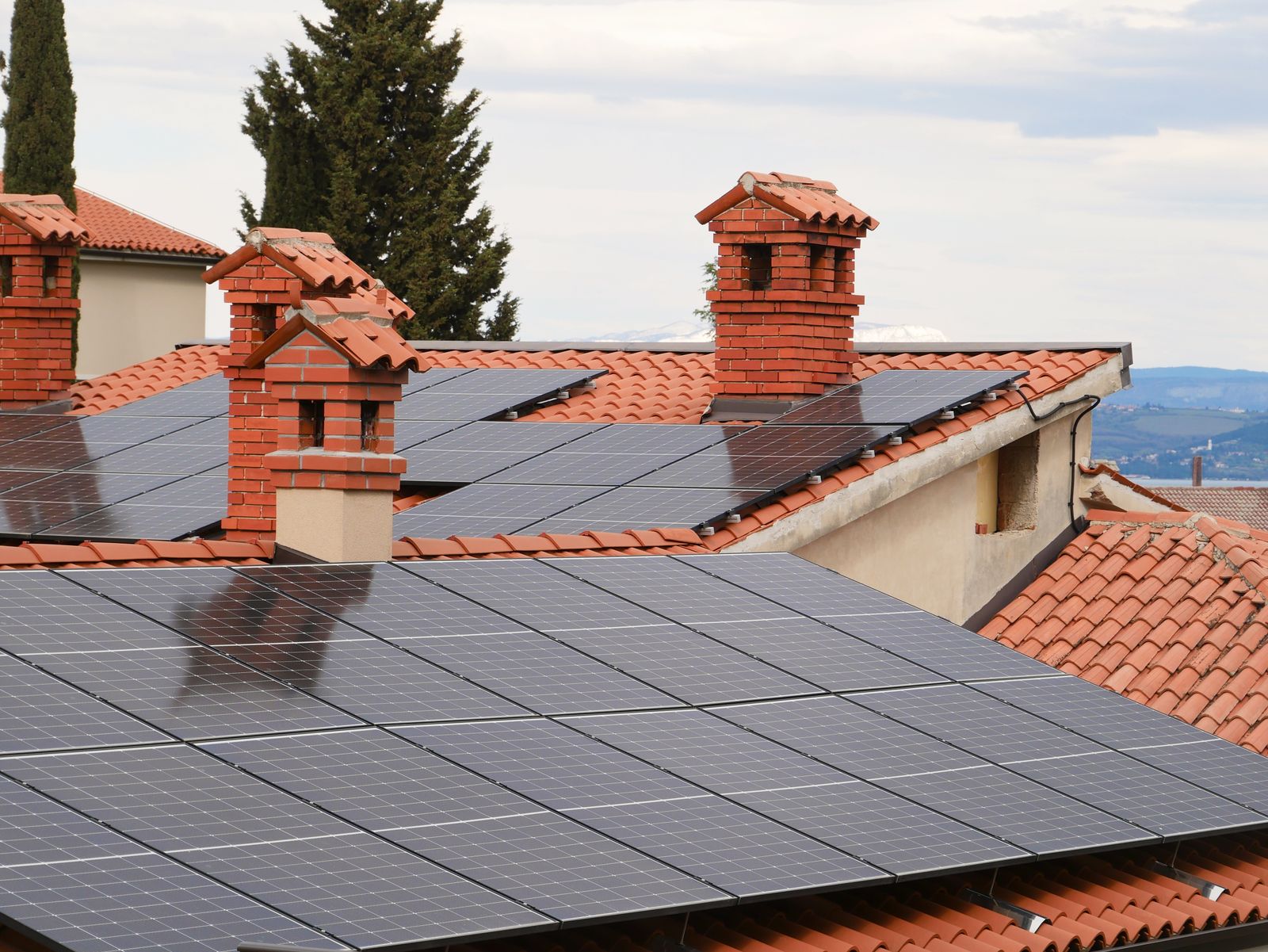
Verdict
For Glasgow homes on a time-of-use tariff, a battery stores summer solar surplus and charges at off-peak rates overnight, so it stays useful year-round. If you use most electricity during the day on a flat-rate tariff, solar alone may suit you better.
Checked August 2026. The right choice depends on system size, orientation, shading, usage and tariff.
How does solar with battery compare to solar alone?
Adding a battery lets you use more of your own solar generation in the evening and charge at off-peak rates on a time-of-use tariff, at a higher upfront cost.
Side by side: solar only vs solar with battery storage.
| Factor | Solar only | Solar + battery |
|---|---|---|
| Typical system cost | Lower (panels + inverter only) | £12,500–£13,500 (standard spec with battery) |
| Self-consumption | Lower — surplus daytime generation is exported | Higher — surplus is stored for evenings |
| Grid arbitrage | Not possible | Yes — charge off-peak, discharge at peak |
| Export income (SEG) | Higher export volume | Lower export (stored instead) |
| Evening/overnight use | Imported from grid at peak rate | Discharged from battery |
| Power cuts | No backup | Some backup (depends on inverter mode) |
| Battery warranty | N/A | 10-year (Hanchu LiFePO4) |
| Best for | Homes using most electricity during the day | Homes using most electricity in the evening, or on time-of-use tariffs |
When is adding a battery worth it?
When you have a time-of-use tariff with a wide off-peak/peak spread, or use most of your electricity in the evening.
A battery is most valuable when you have a time-of-use electricity tariff with a significant off-peak/peak spread. On Outgoing Octopus (12p/kWh flat export rate as of August 2026), the export income without a battery is modest. Storing that surplus and using it at peak rates (around 28p/kWh) is worth significantly more per kWh. Charging at around 7p overnight and discharging at peak times adds further value.
In Scotland, solar surplus is concentrated in the summer months, while the peak/off-peak spread is available year-round, so off-peak charging keeps a battery useful through the winter.
When does solar without a battery make more sense?
When you use most electricity during the day and are on a flat-rate tariff — your self-consumption is already high without storage.
If you use most of your electricity during the day (home workers, retired households), your self-consumption rate is already high and a battery adds less value. If you are on a flat-rate tariff with no off-peak slot, off-peak charging is not available and a battery adds considerably less.
How does Scotland's climate affect the choice?
Long summer days produce strong solar surplus, but shorter winters mean grid arbitrage carries more of the annual value than in southern England.
Glasgow generates approximately 3,400–3,800 kWh a year from a 6kW system (per MCS MIS 3002 zone data, approximately 700–810 kWh per kWp a year). Scotland's long summer days (17+ hours of daylight in June) produce substantial surplus that a battery can capture. But shorter winter days mean grid arbitrage carries more of the annual value than in southern England.
What helps with the cost?
Solar and battery installations are zero-rated for VAT until 31 March 2027, and you can earn export income through the Smart Export Guarantee.
Domestic solar and battery installations are zero-rated for VAT until 31 March 2027, and the installed prices on this site already reflect the 0% rate. Export income through the Smart Export Guarantee pays you for electricity you send to the grid — flat-rate tariffs currently range from roughly 1p to 25p/kWh, with time-of-use peaks higher. Check current rates with your supplier.
Finance available, subject to status. Credit is arranged through FCA-authorised finance partners, subject to status.
What battery specification do you use?
Hanchu LiFePO4 with 95% depth of discharge, around 8,000 cycles, approximately 22-year design life and a 10-year warranty.
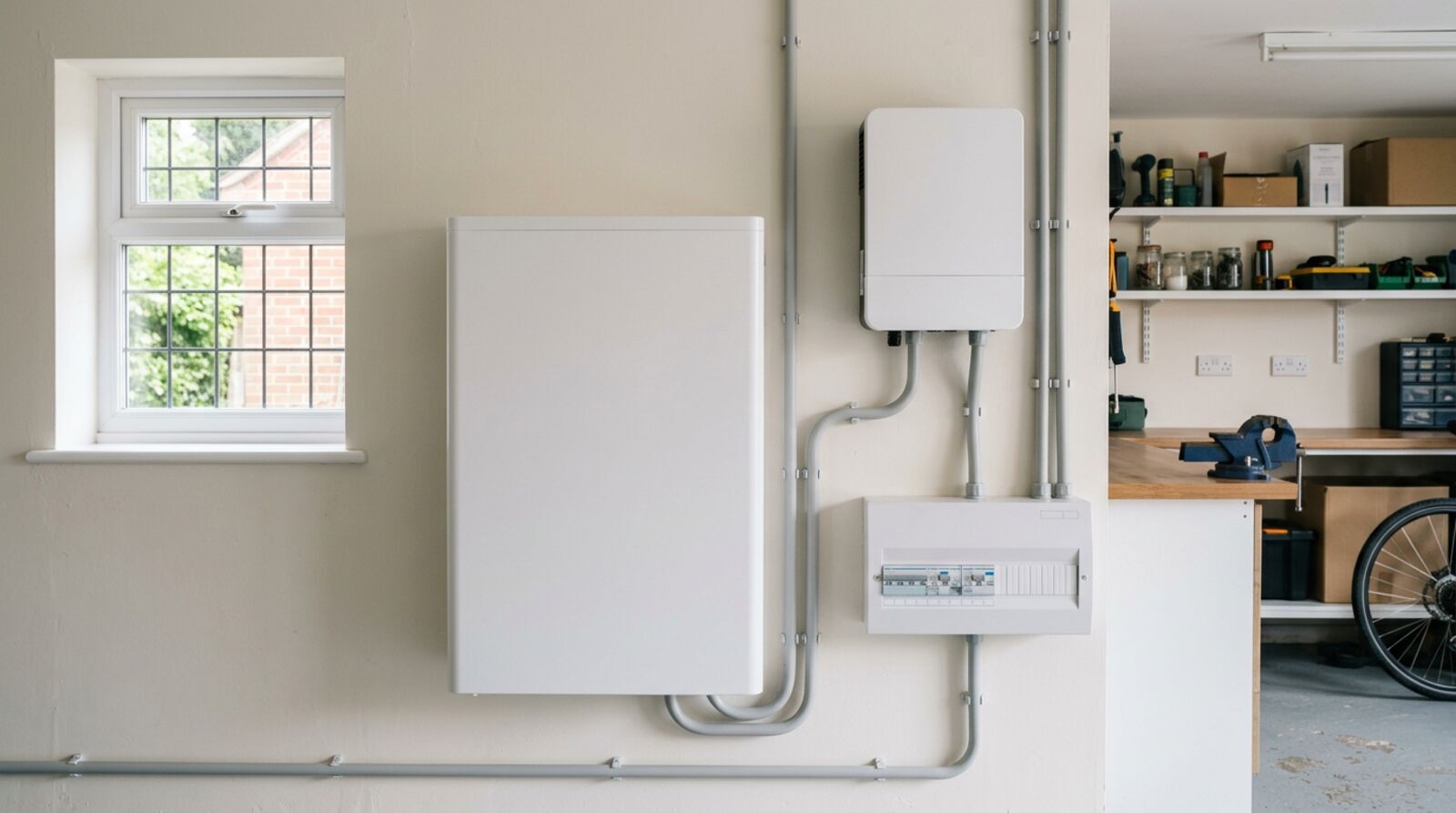
The standard battery specified through Glasgow Solar City is the Hanchu LiFePO4 — lithium iron phosphate chemistry known for long cycle life and thermal stability. 95% depth of discharge, approximately 8,000 cycles, approximately 22-year manufacturer design life, and a 10-year warranty. Paired with the Hanchu ESS hybrid inverter (10-year warranty).
Sources: Pricing and specs from our MCS-certified installation partner, Home Heating Services (Scotland) Ltd (SC484353), August 2026. Generation yield per MCS MIS 3002 zone data for Glasgow. Export rates from individual supplier tariff pages, August 2026.
Cite or embed this comparison
You are welcome to cite this comparison with attribution. Copy the link below:
Related: Solar panels · Battery storage · Heat pumps · Guarantees and warranties · Get a quote
Common questions
Questions about solar with or without a battery in Glasgow
Can I start with solar only and add a battery later?
Yes. Choosing a hybrid inverter at the start makes adding a battery later simpler, because the battery can connect straight to it. Our standard 6kW system uses a Hanchu hybrid inverter for this reason, so a Glasgow home can start with panels and decide on storage afterwards.
Do you install in Glasgow?
Yes. We arrange solar panel, battery and heat pump installations across Glasgow and every G postcode in Greater Glasgow. We install through MCS-certified partners, who survey your home first and then carry out the installation.
Can I add a battery to my existing solar panels?
Usually, yes. Most existing solar systems can take a battery, either connected alongside your current inverter or with a replacement hybrid inverter. The survey checks your inverter, fuse board and available space, and your written quote explains which option suits your system.
Is finance available?
Finance available, subject to status. Credit is arranged through FCA-authorised finance partners, and your quote can show payment options alongside the cash price so you can compare them before deciding.
How do I get a quote?
Call 0141 230 0198 or fill in the quote form. We arrange a survey of your home, then send you a written, no-obligation quote. There is no pressure to go ahead, and you can ask questions at any stage.
Ready for your Glasgow solar quote?
No obligation. Every G postcode covered. We install through our MCS-certified partner, Home Heating Services (Scotland) Ltd.